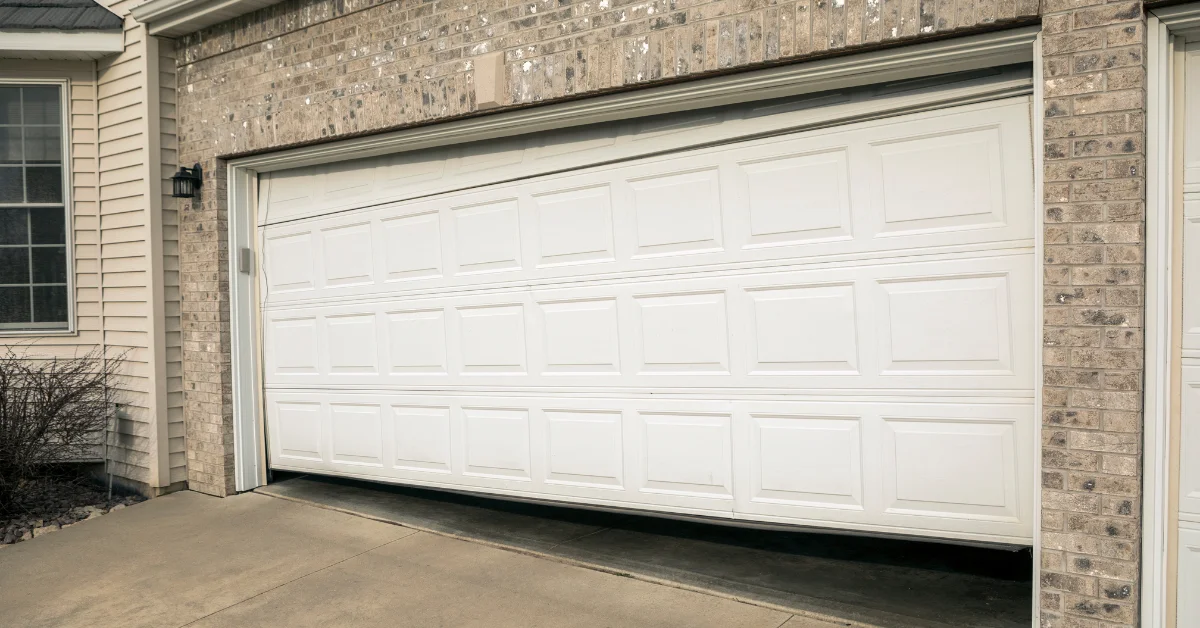
How Long Does Residential Garage Door Installation Take?
Have you finally decided it’s time to replace your old garage door? Perhaps your current door is showing signs of wear, no longer operates smoothly, or simply doesn’t match the appearance of your home. Maybe you’re building a new home and planning your garage installation timeline. Whatever the reason, one of the most common questions homeowners ask is:
“How long does residential garage door installation actually take?”
It’s a reasonable question. After all, your garage door is one of the largest moving components of your home and plays a vital role in security, convenience, curb appeal, and energy efficiency. Whether you’re upgrading to one of the best residential garage doors available today or replacing a damaged system, understanding the installation process can help you plan accordingly.
Many homeowners are surprised to learn that most garage door installations can be completed much faster than expected. However, installation timelines vary depending on several important factors. The type of door you choose, the condition of the existing opening, the size of the garage, whether a new opener is being installed, and even weather conditions can influence how long the project takes.
For homeowners across the United States, a garage door replacement is often one of the most impactful home improvement projects. A new door not only enhances the appearance of the property but can also improve functionality, safety, insulation, and long-term performance. Because of these benefits, many people researching how much does a residential garage door cost are also curious about how much time they’ll need to set aside for installation.
The good news is that professional technicians follow a highly organized process designed to complete residential garage door installation efficiently while ensuring safety and precision. From removing the old door to assembling tracks, springs, panels, and testing the final operation, experienced installers know how to streamline the process without sacrificing quality.
That said, not all installations are identical.
A straightforward replacement of an existing garage door may be completed relatively quickly, while more complex projects involving structural modifications, custom doors, or new opener systems may require additional time. Understanding these variables helps set realistic expectations and prevents surprises on installation day.
In this guide, we’ll break down the typical timeline for garage door installation, explain the factors that affect project duration, and discuss what homeowners can expect before, during, and after installation.
What Happens During Residential Garage Door Installation?
Before discussing timelines, it’s helpful to understand the installation process itself.
A professional garage door installation generally involves:
- Removing the old garage door
- Inspecting the opening and framework
- Installing tracks and hardware
- Mounting door panels
- Installing springs and cables
- Connecting the opener (if applicable)
- Testing door balance and operation
- Performing safety inspections
Each of these steps contributes to the overall installation timeline.
Typical Installation Time for Most Homes
For many homeowners, a standard residential garage door installation can often be completed within a single day.
In straightforward situations involving an existing garage opening and standard door design, installation frequently takes between several hours and a full workday.
Factors influencing the schedule include:
- Door size
- Door style
- Existing conditions
- Opener installation requirements
- Technician experience
While timelines vary, professional installation teams are typically able to complete most projects efficiently.
Replacing an Existing Garage Door
Replacement projects tend to move faster because the garage structure is already in place.
The process usually involves:
Removing the Existing Door
Technicians carefully remove:
- Door panels
- Springs
- Tracks
- Hardware
Preparing the Opening
The garage opening is inspected for:
- Damage
- Structural concerns
- Alignment issues
Installing the New Door
The new system is assembled, adjusted, and tested.
Because much of the infrastructure already exists, replacement projects often require less preparation than new construction installations.
Installing a Garage Door in New Construction
When installing a door in a newly built garage, additional preparation may be necessary.
Installers may need to:
- Verify framing dimensions
- Confirm structural support
- Install additional mounting hardware
- Coordinate with other contractors
These factors can sometimes extend the timeline compared to a simple replacement project.
However, new construction environments also eliminate challenges associated with removing old equipment.
Factors That Affect Installation Time

Several variables influence the duration of residential garage door installation.
Door Size
Larger doors generally require more assembly and adjustment.
Double-car garage doors typically involve:
- Larger panels
- Additional hardware
- More precise balancing
Door Material
Different materials may impact installation complexity.
Examples include:
- Steel
- Wood
- Aluminum
- Composite materials
Heavier doors often require additional adjustments.
Custom Features
Custom garage doors may include:
- Decorative windows
- Specialty hardware
- Insulation packages
- Unique finishes
These features can add installation time.
Existing Structural Issues
If technicians discover:
- Damaged framing
- Uneven openings
- Rotten wood
- Misaligned tracks
Additional repairs may be necessary before installation can proceed.
Does Garage Door Opener Installation Add Time?
Yes.
Installing a new opener generally adds additional steps to the project.
This may include:
- Mounting the motor unit
- Installing sensors
- Running wiring
- Programming remotes
- Testing safety features
While adding an opener extends the overall project timeline, professional installers can often complete both services during the same appointment.
What Happens During Final Testing?
One of the most important parts of garage door installation occurs after the door is assembled.
Technicians typically perform:
Balance Testing
Ensuring smooth operation and proper weight distribution.
Safety Testing
Verifying reversal mechanisms and sensors function correctly.
Opener Testing
Confirming remote controls and wall controls operate properly.
Adjustment and Calibration
Fine-tuning springs, tracks, and hardware.
Skipping these steps can lead to future operational issues.
Why Professional Installation Matters
Some homeowners consider DIY installation to save time or effort.
However, garage door systems contain:
- High-tension springs
- Heavy panels
- Specialized hardware
Improper installation can create safety risks and performance issues.
Professional installation offers:
- Proper balancing
- Accurate alignment
- Safety compliance
- Reliable operation
This helps maximize the lifespan of your new garage door.
How Preparation Can Speed Up Installation
Homeowners can help ensure a smoother installation process by preparing beforehand.
Helpful steps include:
- Clearing vehicles from the garage
- Removing stored items near the work area
- Ensuring electrical access
- Keeping pets and children away from the workspace
Preparation allows technicians to begin work immediately upon arrival.
What If Problems Are Found During Installation?
Occasionally, installers uncover issues that were not visible beforehand.
Common discoveries include:
- Damaged framing
- Rusted hardware
- Electrical concerns
- Structural deterioration
When these problems occur, additional repairs may be required before the installation can be completed safely.
Although this may increase the timeline, addressing underlying issues helps ensure long-term performance.
How Long Do the Best Residential Garage Doors Last?
Many homeowners researching the best residential garage doors are interested in long-term durability.
With proper maintenance, high-quality garage doors can provide years of reliable performance.
Routine maintenance includes:
- Lubrication
- Hardware inspection
- Spring adjustments
- Opener servicing
Regular care helps protect your investment and reduce the likelihood of future repairs.
When Is Residential Garage Door Repair a Better Option?
Not every problem requires a full replacement.
In some cases, residential garage door repair may be the more appropriate solution.
Repair may be sufficient when:
- A spring breaks
- A cable becomes damaged
- Rollers wear out
- Tracks become misaligned
- Openers malfunction
A professional inspection can help determine whether repair or replacement is the better choice.
Understanding Garage Door Value
Many homeowners researching how much does a residential garage door cost are also evaluating the overall value of installation.
A new garage door can provide benefits such as:
- Improved curb appeal
- Better insulation
- Enhanced security
- Smoother operation
- Increased property value
These advantages often make installation one of the most worthwhile home improvement projects.
Final Thoughts
The time required for residential garage door installation depends on several factors, including door size, project complexity, existing conditions, and whether additional components such as openers are being installed. Fortunately, most standard installations can be completed efficiently by experienced professionals, often within a single day.
By understanding the installation process and preparing appropriately, homeowners can enjoy a smoother experience and faster project completion. Whether you’re upgrading an aging system, choosing among the best residential garage doors, or evaluating replacement versus residential garage door repair, professional installation helps ensure reliable performance and long-term satisfaction. ASAP Garage Door Services provides trusted garage door solutions for homeowners throughout New Jersey, offering expert installation, maintenance, and repair services. Our experienced technicians focus on delivering reliable workmanship, responsive service, and long-lasting garage door performance. Whether you’re replacing an outdated door or installing a new system, ASAP Residential Garage Doors in NJ offers a wide selection of durable, stylish, and secure residential garage doors. Our team helps homeowners choose solutions that enhance curb appeal, improve functionality, and support long-term home value.
A properly installed garage door not only improves daily convenience but also enhances the safety, appearance, and value of your home for years to come. Need assistance with a garage door project or repair? Contact us to schedule an appointment, request expert guidance, or learn more about their residential garage door installation and maintenance services.
FAQs
1. Can a Garage Door Be Installed in One Day?
Yes. Many standard garage door installations can be completed within a single day when no major structural modifications or unexpected complications are present. Professional installers follow a structured process designed to complete the project efficiently.
2. How Long Does It Take to Replace an Existing Garage Door?
Replacing an existing garage door is often faster than new construction installation because the opening already exists. The process generally includes removing the old door, installing the new system, and performing safety testing and adjustments.
3. What Factors Affect Residential Garage Door Installation Time?
Installation time can be influenced by door size, door material, custom features, opener installation, structural conditions, weather, and whether repairs are required before installation can begin.
4. Does Installing a Garage Door Opener Add Extra Installation Time?
Yes. Installing a garage door opener involves additional tasks such as mounting equipment, connecting wiring, programming remotes, installing sensors, and testing safety systems, which can extend the overall project timeline.
5. How Long Does It Take to Install a Single-Car vs. Double-Car Garage Door?
Single-car garage doors are generally faster to install because they involve smaller panels and lighter components. Double-car doors often require more assembly, balancing, and adjustment, which can increase installation time.